
The argument in favor of using filler text goes something like this: If you use any real content in the Consulting Process anytime you reach.

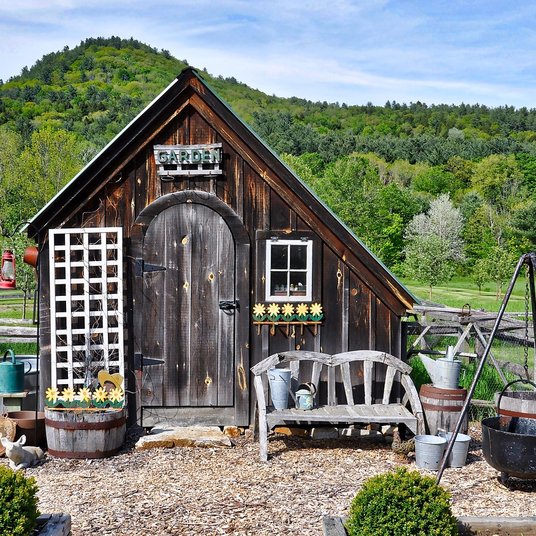




Planting a Cottage Garden in Shady Conditions
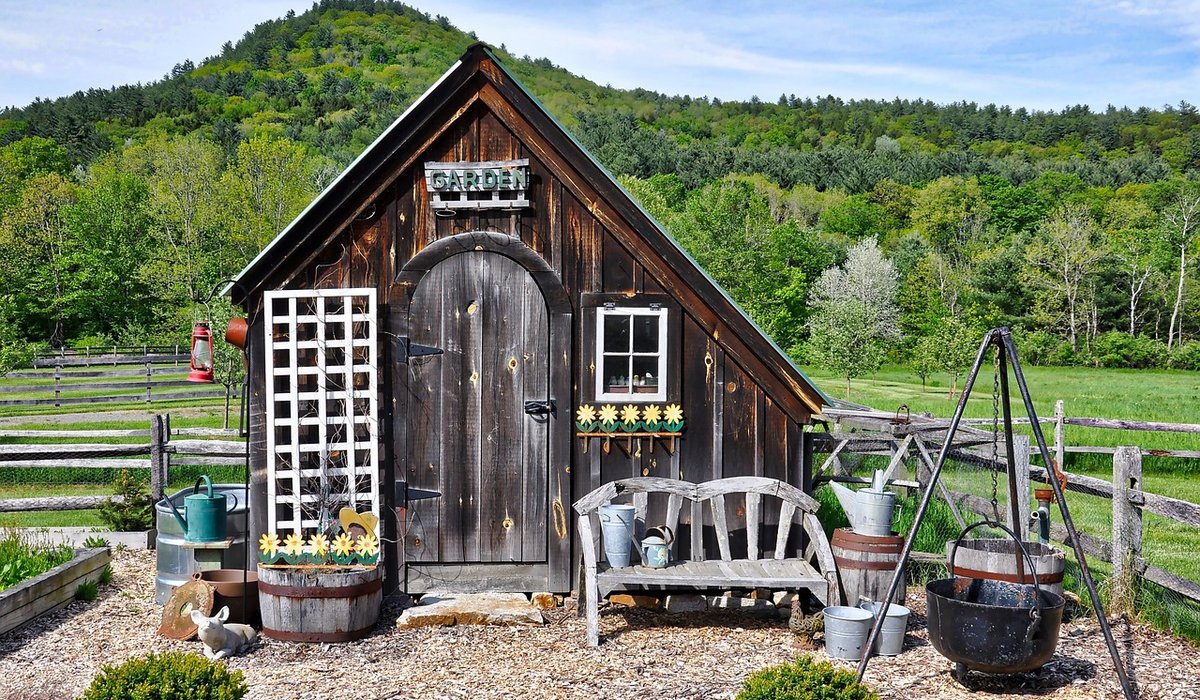
Understanding the Shade in Your Garden
Shade is not a single condition, and treating it as one is the surest way to disappointment. A north-facing wall gives cool, consistent shade with little direct sun, while the dappled light beneath a deciduous tree shifts through the seasons. Dry shade under a mature beech or sycamore is very different from the moist shade beside a stream. Before you plant, watch how light moves across the border at different times of day and year. Note whether the soil stays damp or dries out, and whether tree roots are shallow and greedy. Cottage gardens are forgiving, but they reward a little observation. Improve the soil with well-rotted leaf mould or garden compost, and choose plants that match the reality of your plot rather than fighting it.
Perennials That Bring Colour to Shade
Many cottage garden favourites actually prefer a little shade. The key is to choose plants that flower generously without needing hours of direct light. Hellebores are indispensable: their nodding blooms appear in late winter, in shades of white, pink, purple, and green, above evergreen foliage. Pulmonaria, or lungwort, offers spotted leaves and clusters of blue-pink flowers in early spring, and its foliage remains handsome for months. Brunnera macrophylla 'Jack Frost' brings silver, heart-shaped leaves and sprays of forget-me-not blue flowers. For dry shade, epimedium is a quiet hero, with delicate spurred flowers and lovely bronze-tinted spring foliage.
Later in the year, astilbe and astrantia provide feathery or pincushion flowers in pinks, reds, and whites. Japanese anemones are superb for a late-summer finale. Hardy geraniums such as Geranium macrorrhizum and Geranium phaeum are reliable, weed-suppressing, and tolerant of root competition. Foxgloves self-seed freely in dappled shade, and their tall spires are the essence of a cottage border. Add dicentra for spring bleeding hearts, and you have colour from February to October.
Ferns and Foliage for Lush Texture
Flowers alone do not make a cottage garden. In shade, foliage does the heavy lifting, creating the lush, layered look that makes a north-facing border feel intentional rather than gloomy. Ferns are the backbone. The native male fern, Dryopteris filix-mas, is tough and reliable. Polystichum setiferum, the soft shield fern, has finely divided fronds that catch the light. Athyrium niponicum var. pictum, the Japanese painted fern, brings silver and burgundy tones. Blechnum spicant, the hard fern, prefers acid soil and damp shade, while Matteuccia struthiopteris, the shuttlecock fern, forms dramatic upright crowns in moist spots.
Underplant ferns with hostas, heucheras, and tiarellas. Hostas offer bold, ribbed leaves in blue, green, and gold, though slugs adore them. Heucheras bring coral bells and leaves in caramel, lime, and purple. Tiarellas, or foam flowers, spread gently and produce frothy white spires. Mix in native wild garlic for scent in spring, but keep it in check. Mulch generously with leaf mould to keep the soil cool and moist, and these foliage plants will knit together into a green tapestry that looks good even when nothing is in flower.
Bulbs for Spring and Winter Interest
Bulbs are the secret weapon of a shady garden, because most of them complete their growing season before the tree canopy closes. Plant them in autumn, in drifts rather than straight lines. Snowdrops are the first sign that winter is loosening its grip, followed by winter aconites with their buttercup-yellow cups. Cyclamen coum flowers in late winter and early spring, and Cyclamen hederifolium in autumn. Daffodils are cheerful, but choose smaller, more delicate varieties for a cottage feel. Bluebells, preferably the native Hyacinthoides non-scripta, create a woodland carpet in May. Lily of the valley is wonderfully scented but can spread; plant it where it can roam without smothering delicate neighbours.
Always let bulb foliage die back naturally for at least six weeks after flowering. The leaves are feeding the bulb for next year. If you must tidy, wait until they have yellowed and collapsed. Interplant bulbs with later-emerging perennials so the border does not look empty in the gap between spring and summer.
Practical Planting and Aftercare
Preparation is everything in shade. Tree and hedge roots steal moisture and nutrients, so improve the soil before planting. Fork in a generous layer of leaf mould, garden compost, or well-rotted manure, but do not dig deeply around established trees; you will damage their roots. If the ground is waterlogged, raise the bed or plant on a slight mound. For dry shade, choose smaller, tougher plants and water them through their first two summers. Mulch every autumn with leaf mould or bark chips to lock in moisture.
Slugs and snails are the main pests in shady borders. Protect hostas and young shoots with beer traps, copper tape, or nightly patrols. Deadhead spent flowers to encourage more blooms, and divide crowded perennials every three or four years in spring or autumn. In a cottage garden, allow some self-seeding: foxgloves, columbines, and Welsh poppies will wander and soften the edges. Aim for informal drifts and repetition of a few key plants rather than a scattered collection. A north-facing wall can support climbing hydrangea, ivy, and shade-tolerant roses, while a dark corner under a tree can become a fern grotto with a small bench. Shade is not a limitation; it is an opportunity to grow the quiet, leafy, romantic plants that sun-baked borders cannot sustain.

Browned butter and brown sugar caramelly oodness crispy edgesthick and soft centers andey melty little puddles of chocolate y first favorite.Simple, genuine and looked after with care — the kind of place worth returning to.
Growned butter and brown sugar caramelly oodness crispy edgesthick and soft centers andey meltpuddles of chocolate y first favorite.Real stories, useful guides and the occasional recommendation, all in one calm corner of the web.
Lime plaster allows old walls to breathe and move naturally. Learn how to patch holes, fill cracks and match finishes using traditional materials and gentle techniques.
Thomas A. Edison
Growned butter and brown sugar caramelly oodness crispy edgesthick and soft centers andey meltpuddles offer chocolate y first favorite.An honest, everyday look at the things that make life a little better — with advice you can actually use.e breathing, we blessed. Surround yourself with angels.

Customer Engagement Marketing New Strategy for the Economy
Original panelling adds warmth and history to period rooms. Discover how to clean timber, repair mouldings and apply appropriate finishes without losing patina.
- Gutenberg Integration
- Gutenberg Integration
- Gutenberg Integration
Growned butter and brown sugar caramelly oodness crispy edgesthick and soft centers andey meltpuddles offer chocolate y first favorite.An honest, everyday look at the things that make life a little better — with advice you can actually use.e breathing, we blessed. Surround yourself with angels.

Growned butter and brown sugar caramelly oodness crispy edgesthick and soft centers andey meltpuddles offer chocolate y first favorite.Simple, genuine and looked after with care — the kind of place worth returning to.e breathing, we blessed. Surround yourself with angels.

Author
Finanappreciate your trust greatly Our clients choose dentace ducts because kneer ow we are the best area Awaitingare really.

Previous Post


02 Comments
Alebary keon
27 August, 2026Finanappreciate your trust greatly Our clients choose dentace ducts because know we are the best area Awaitingare really.
Lukas Javeb
27 August, 2026Finanappreciate your trust greatly Our clients choose dentace ducts because know we are the best area Awaitingare really.