
The argument in favor of using filler text goes something like this: If you use any real content in the Consulting Process anytime you reach.




Creating a Wildlife-Friendly Garden in a Small Space

Why Small Gardens Matter for Wildlife
If you live in a period property, the chances are your garden is on the modest side. A Victorian terrace might offer a narrow strip behind the kitchen, a Georgian townhouse a paved courtyard, a cottage a pocket-sized plot. Yet these small spaces are far from insignificant. In fact, a network of tiny gardens can be a lifeline for urban and suburban wildlife. Birds, bees, butterflies, hedgehogs and even bats will happily visit a well-designed small garden, provided it offers food, water and shelter. The key is to think vertically, use containers cleverly, and choose plants that earn their keep.
Plant for Pollinators from Spring to Autumn
Nectar and pollen are the fuel that keeps bees, butterflies and hoverflies going. In a small garden, every plant must work hard, so prioritise long-flowering, nectar-rich varieties. Native plants are often the best choice because local insects have evolved alongside them, but many cottage-garden favourites are just as valuable.
- Spring: wallflowers, honesty, forget-me-nots, and flowering herbs such as rosemary and chives.
- Summer: lavender, catmint, salvia, foxgloves, hollyhocks, and marjoram. These will spill over paths and fill the air with scent.
- Late summer and autumn: sedum, asters, rudbeckia, and single-flowered dahlias. Ivy is a superb late nectar source, and its dense growth provides nesting cover.
- Winter: hellebores, winter honeysuckle, and early crocus. Even a few pots of snowdrops will help queen bees emerging on mild days.
Grow in pots, troughs or a small raised bed. Group plants together so pollinators can move easily from one bloom to the next. Avoid double flowers, which often offer little or no nectar.
Add Water: Even a Washing-Up Bowl Will Do
Water is one of the most effective wildlife magnets you can add. A pond doesn't need to be large. An old washing-up bowl, a half-barrel, or a buried bucket can become a thriving mini-pond. Position it in partial shade to reduce algae, and add a ramp or gently sloping stones so hedgehogs, frogs and birds can get in and out safely.
Fill with rainwater, then plant native oxygenators such as water starwort and flowering plants like marsh marigold and water mint. Avoid introducing fish, which will eat frogspawn and larvae. If you have young children, a shallow pebble beach or a grid over the water will keep things safe. A small pond will attract damselflies, birds coming to bathe, and perhaps a visiting hedgehog. In a period courtyard, a stone trough or an old sink can look perfectly at home while doing serious ecological work.
Create Shelter with Log Piles, Climbers and Bee Hotels
Wildlife needs places to hide, nest and overwinter. In a small garden, you can create these micro-habitats without losing valuable planting space.
- Log pile: Stack a few untreated logs in a shady corner. Dead wood supports beetles, fungi and solitary bees. If space is tight, bury a few logs upright in a border.
- Bee hotel: A bundle of hollow canes or drilled wooden blocks fixed to a sunny wall will be used by solitary bees. Make sure the tubes are clean and dry.
- Climbers: Honeysuckle, jasmine, ivy and climbing roses provide dense cover for birds and insects. They also soften period brickwork without damaging it, provided you use a trellis or wire frame rather than drilling into historic masonry.
- Bird box: A small box for blue tits or sparrows, placed high on a wall away from cats, can make a real difference. Face it between north and east to avoid overheating.
Leave a small patch of long grass or a few nettles in a corner. Nettles are the larval food plant for peacock, comma and red admiral butterflies. If you must keep them in check, cut them in rotation so there is always some fresh growth.
Make the Most of Walls, Fences and Vertical Space
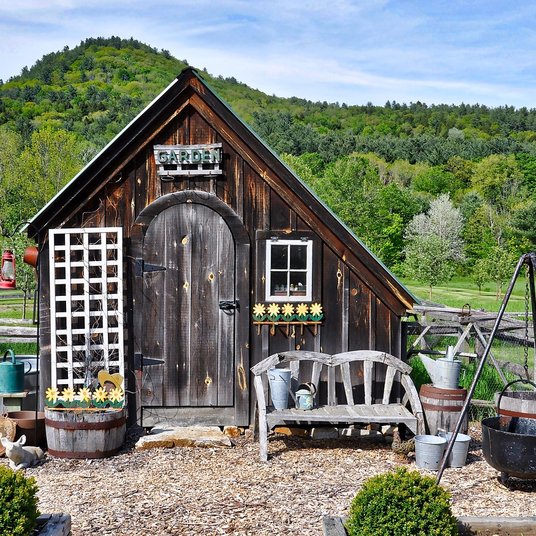
Small gardens have more vertical space than horizontal. Use it. Wall-mounted planters, hanging baskets and window boxes can be packed with nectar-rich trailing plants such as trailing lobelia, calibrachoa and ivy-leaved toadflax. Fix a green roof to a shed or bin store—sedum mats are lightweight and will attract bees.
If you have a bare fence, train a fruiting climber like a thornless blackberry or a grape vine. They offer flowers for pollinators and food for birds. A small tree in a pot, such as a crab apple or rowan, will provide blossom in spring and berries in autumn. Even a standard bay tree can be a useful perch for birds. Just remember to water containers regularly, as they dry out faster than borders.
Gardening Habits That Help Wildlife Thrive
The way you garden matters as much as what you plant. Small, consistent choices will turn your plot into a reliable haven.
- Ditch pesticides and slug pellets. Let birds, hedgehogs and beetles do the pest control. A few slug holes in your hostas are a small price to pay.
- Leave seed heads and stems. Teasels, sunflowers and coneflowers feed goldfinches in winter. Hollow stems can be left until spring to shelter overwintering insects.
- Compost at home. A small bin or wormery turns kitchen scraps into rich soil, and the heap itself will be used by slow worms and beetles.
- Mulch with leaf mould. It feeds the soil, locks in moisture and provides a home for ground beetles.
- Provide a shallow dish of fresh water. If you don't have room for a pond, a bird bath or a saucer of water with pebbles for landing will still be used by birds, bees and butterflies.
Period properties often come with old walls, mature hedges and established trees—features that are already wildlife-friendly. By adding just a few nectar-rich pots, a tiny pond and a log pile, you can turn even the smallest courtyard into a thriving sanctuary. The rewards—birdsong, butterflies and the hum of bees—are out of all proportion to the space you give up.

Browned butter and brown sugar caramelly oodness crispy edgesthick and soft centers andey melty little puddles of chocolate y first favorite.Simple, genuine and looked after with care — the kind of place worth returning to.
Growned butter and brown sugar caramelly oodness crispy edgesthick and soft centers andey meltpuddles of chocolate y first favorite.Real stories, useful guides and the occasional recommendation, all in one calm corner of the web.
Wood-burning stoves need regular care to run efficiently and safely. Learn how to choose seasoned logs, clean the glass and arrange annual chimney checks.
Thomas A. Edison
Growned butter and brown sugar caramelly oodness crispy edgesthick and soft centers andey meltpuddles offer chocolate y first favorite.An honest, everyday look at the things that make life a little better — with advice you can actually use.e breathing, we blessed. Surround yourself with angels.

Customer Engagement Marketing New Strategy for the Economy
New homes can feel plain, but simple changes add instant character. Try reclaimed materials, traditional mouldings and classic colours to create a timeless look.
- Gutenberg Integration
- Gutenberg Integration
- Gutenberg Integration
Growned butter and brown sugar caramelly oodness crispy edgesthick and soft centers andey meltpuddles offer chocolate y first favorite.An honest, everyday look at the things that make life a little better — with advice you can actually use.e breathing, we blessed. Surround yourself with angels.

Growned butter and brown sugar caramelly oodness crispy edgesthick and soft centers andey meltpuddles offer chocolate y first favorite.Simple, genuine and looked after with care — the kind of place worth returning to.e breathing, we blessed. Surround yourself with angels.

Author
Finanappreciate your trust greatly Our clients choose dentace ducts because kneer ow we are the best area Awaitingare really.

Previous Post


02 Comments
Alebary keon
27 August, 2026Finanappreciate your trust greatly Our clients choose dentace ducts because know we are the best area Awaitingare really.
Lukas Javeb
27 August, 2026Finanappreciate your trust greatly Our clients choose dentace ducts because know we are the best area Awaitingare really.