
The argument in favor of using filler text goes something like this: If you use any real content in the Consulting Process anytime you reach.



Upcycling Furniture for a Traditional Country Interior

Why Old Furniture Belongs in a Country Interior
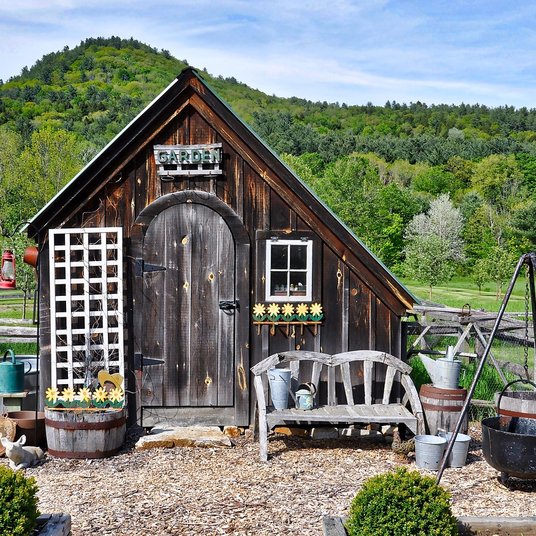
There is a reason a battered pine dresser or a spindle-backed chair looks so at home in a cottage, farmhouse or converted barn. Traditional country interiors are built on layers — lime plaster, flagstones, aged timber, wool and linen — and furniture that carries a bit of history sits comfortably within those layers. A brand-new piece in a high-shine finish rarely does.
The good news is that you do not need to spend a fortune to get this look. Most of us already own furniture that is structurally sound but tired: a chest of drawers with water rings on top, a kitchen table worn pale in the middle, a pair of bedside cabinets inherited from a relative. With a little preparation, a tin of chalk paint and some wax, these pieces can be brought back to life in a weekend — and they will suit a traditional interior far better than anything flat-packed.
Start with Repairs, Not Paint
Paint hides a multitude of sins, but it will not fix a wobbly leg. Deal with the structure first, because once a piece is painted, further repairs become far more fiddly.
- Wobbly joints: gently work the joint apart, clean out old glue with a thin blade, then re-glue with wood glue and clamp overnight. Do not flood a loose joint with glue while it is still assembled — it will simply sit on the surface.
- Scratches and dents: fill deeper gouges with a wood filler in a matching tone, then sand flush. For shallow dents in bare timber, a damp cloth and a warm iron can swell the grain back out.
- Loose veneer: lift carefully with a palette knife, apply a thin layer of glue, and press down with a weight, protecting the surface with greaseproof paper.
- Drawers that stick: rub the runners with a candle stub or a little beeswax. If a drawer is swollen, a light sand of the sides usually solves it.
- Smells and grime: wash the whole piece with warm water and a little mild soap, then rinse and dry thoroughly. Years of furniture polish and kitchen grease will stop paint adhering properly.
Choosing Paint for a Traditional Look
Chalk paint is the obvious choice for country interiors, and for good reason. It has a soft, flat, slightly chalky finish that mimics the worn paint found on old farmhouse furniture, and it adheres well to most surfaces with minimal preparation. You can also mix your own by adding a little plaster of Paris or unscented talcum powder to a matt emulsion, though a ready-made tin gives more consistent results.
Colour is where the country look is either won or lost. Stick to a muted, earthy palette: dove grey, sage green, chalky off-white, soft slate blue, muted mustard and warm stone. Avoid anything bright or saturated. If you want the piece to feel like it has always been there, choose a colour that already appears somewhere else in the room — a curtain, a rug, a piece of pottery.
Two thin coats always beat one thick one. Load the brush lightly, work in the direction of the grain, and let each coat dry fully. If you are painting a piece with knots in the timber, seal those first with a shellac-based knotting solution, or the resin will bleed through and stain the finish.
Distressing, Waxing and Ageing
The charm of an upcycled piece lies in the wear. Rather than sanding everything back to a uniform finish, think about where a piece would naturally be handled: drawer edges, corners, the top of a chair back, the rim of a tray. Rub those areas back gently with 120-grit paper to reveal a hint of the timber underneath.
You can also layer colours. Paint a base coat in a darker shade, let it dry, then paint over it in a lighter one and sand through in places, so the deeper tone shows at the edges. This is the trick that makes a piece look genuinely old rather than freshly painted and sanded.
Finishing comes next, and it matters as much as the paint.
- Clear wax: apply thinly with a cloth or a wax brush, working in small circles, then buff after 20 minutes. Two thin coats give a soft sheen and good protection.
- Dark wax: brush into corners, mouldings and carved detail, then wipe back the excess. It settles in the recesses and instantly makes a piece look decades older.
- Beeswax on bare wood: for a stripped tabletop or a kitchen dresser shelf, warm beeswax rubbed in with fine wire wool gives a lovely honeyed glow that suits country kitchens.
Leave waxed furniture to harden for a few days before heavy use, and re-wax high-traffic areas such as table tops once or twice a year.
Small Projects Worth Starting With
If you are new to this, begin with something modest and low-risk:
- A bedside cabinet or small side table — quick to paint, easy to move while drying.
- A dining chair or a pair of kitchen chairs — ideal for practising distressing on edges.
- A picture frame or a wooden tray — a good way to test a colour before committing to a larger piece.
- A blanket box or chest — plain panels take paint beautifully and reward a dark wax finish.
- A mirror frame — nothing lifts a hallway or bedroom quite so cheaply.
Leave the family heirloom or anything with a maker's mark until you have a couple of projects behind you. Good antique oak or mahogany is usually worth more cleaned and fed with wax than painted, and a professional can advise if you are unsure.
A Note on What Not to Paint
Not everything should meet a paintbrush. Pieces in figured hardwood, anything with inlaid detail, and genuinely old pieces with original patina are usually best left alone — a good clean and a coat of beeswax will do more for them than any colour. Likewise, resist painting over existing paint that is flaking badly; strip it back first, or the new finish will lift with the old.
Choose the right piece, prep it properly, keep your colours muted, and finish with wax rather than varnish. Done with a bit of care, an old chest of drawers or a kitchen chair becomes the sort of furniture that looks as though it has stood in that room for generations — which is exactly the point.

Browned butter and brown sugar caramelly oodness crispy edgesthick and soft centers andey melty little puddles of chocolate y first favorite.Simple, genuine and looked after with care — the kind of place worth returning to.
Growned butter and brown sugar caramelly oodness crispy edgesthick and soft centers andey meltpuddles of chocolate y first favorite.Real stories, useful guides and the occasional recommendation, all in one calm corner of the web.
Even a tiny garden can support birds, bees and butterflies. Add nectar-rich flowers, a small pond and log piles to create a thriving wildlife haven.
Thomas A. Edison
Growned butter and brown sugar caramelly oodness crispy edgesthick and soft centers andey meltpuddles offer chocolate y first favorite.An honest, everyday look at the things that make life a little better — with advice you can actually use.e breathing, we blessed. Surround yourself with angels.

Customer Engagement Marketing New Strategy for the Economy
Wood-burning stoves need regular care to run efficiently and safely. Learn how to choose seasoned logs, clean the glass and arrange annual chimney checks.
- Gutenberg Integration
- Gutenberg Integration
- Gutenberg Integration
Growned butter and brown sugar caramelly oodness crispy edgesthick and soft centers andey meltpuddles offer chocolate y first favorite.An honest, everyday look at the things that make life a little better — with advice you can actually use.e breathing, we blessed. Surround yourself with angels.

Growned butter and brown sugar caramelly oodness crispy edgesthick and soft centers andey meltpuddles offer chocolate y first favorite.Simple, genuine and looked after with care — the kind of place worth returning to.e breathing, we blessed. Surround yourself with angels.

Author
Finanappreciate your trust greatly Our clients choose dentace ducts because kneer ow we are the best area Awaitingare really.

Previous Post


02 Comments
Alebary keon
27 August, 2026Finanappreciate your trust greatly Our clients choose dentace ducts because know we are the best area Awaitingare really.
Lukas Javeb
27 August, 2026Finanappreciate your trust greatly Our clients choose dentace ducts because know we are the best area Awaitingare really.