
The argument in favor of using filler text goes something like this: If you use any real content in the Consulting Process anytime you reach.



A Guide to Restoring Decorative Wall Panelling
Original panelling is one of the quiet heroes of the British period home. It adds warmth, depth and a sense of history that no modern substitute quite matches. Whether you have a Georgian dining room with raised-and-fielded panels, a Victorian hallway with dado panelling, or a cottage snug lined in simple tongue-and-groove, restoring it is a patient, rewarding business. The aim is not to make old timber look new, but to clean, repair and finish it so its character can be read clearly.
Reading the Timber and Its History
Before you reach for a cloth or a scraper, spend time working out what you are dealing with. Run your hand over the surface and tap the panels gently. A hollow sound may mean a panel has shrunk away from its frame, while a dull thud can suggest damp or woodworm. Look at the edges of mouldings for scribe marks, old nail holes and layers of paint. These are clues to the panelling’s age and to how many times it has been decorated.
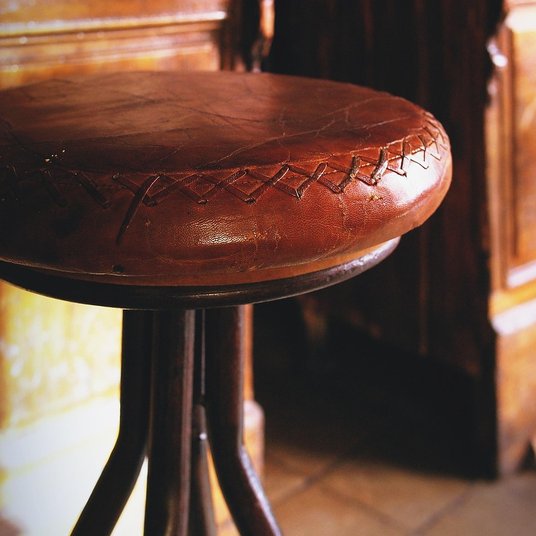
Hardwoods such as oak, mahogany and walnut were often left bare or lightly polished, while softwoods like pine were usually painted. If your home is listed, or in a conservation area, check with your local conservation officer before stripping paint or removing sections. Original fabric is precious, and even a modest run of Victorian panelling may be protected. Also check for active woodworm, dry rot and rising damp; repairs to the building fabric should always come before cosmetic work.
Cleaning Away the Grime
Decades of dust, smoke and furniture polish can leave panelling looking dull and sticky. Start gently. Use a soft brush and a vacuum on low suction to lift dust from mouldings, then work along the panels with a well-wrung cloth dipped in a weak solution of sugar soap and warm water. Test on an inconspicuous area first, especially if the paint is old or chalky.
- For greasy patches, use a cloth barely dampened with white spirit, then dry immediately.
- Reach into carved details with cotton buds, soft toothbrushes or wooden skewers.
- Avoid soaking the timber. Excess water can swell joints, lift veneer and stain bare oak.
- Dry each section as you go with a clean lint-free cloth, and keep the room ventilated.
If the panelling smells of smoke or old wax, a poultice made from fuller’s earth and white spirit can draw out grime from bare timber. Leave it to dry, then brush it away. Never use wire wool on bare oak, as fragments can lodge in the grain and rust.
Repairing Mouldings and Loose Panels
Loose panels are common because timber shrinks and expands with the seasons. Do not force them. If a panel has come away from its frame, ease it back gently and re-glue with animal glue, which is reversible and traditional. Use padded sash cramps to hold it while the glue dries, and protect the mouldings with offcuts of timber.
Splits and cracks can be injected with glue and clamped, but avoid filling them completely if the timber needs to move. Missing sections of moulding are best replaced with new timber planed to match the original profile. A scratch stock or a router bit ground to the right shape will help you copy a simple ogee or torus. For carved work, a few sharp carving gouges and a steady hand will do more than any amount of filler.
Where small pieces of moulding are lost, tinted shellac sticks or a two-pack filler coloured with earth pigments can disguise the repair. Press the filler in with a dental pick, then pare it back with a sharp chisel once it has hardened. The repair should be visible on close inspection, but it should not shout.
Stripping Back or Preserving Patina
The question of stripping is where many well-meaning renovations go wrong. If the paint is intact and historically interesting, think hard before removing it. Old paint layers tell the story of a room, and a softly worn surface has a patina that new paint cannot imitate. If the paint is flaking badly, or has been applied over a fine hardwood, stripping may be justified.
Use the gentlest method that works. Infrared heat lamps soften paint without scorching the timber, and poultices or gel strippers are safer than caustic dips, which can raise the grain and loosen veneers. Test for lead paint before you start, especially in pre-1960s homes, and follow safe working practices. Once stripped, neutralise the timber and let it dry thoroughly. Avoid sanding bare period timber; it flattens mouldings and destroys the crisp edges that give panelling its definition.
Choosing a Finish and Caring for It
The right finish depends on the timber, the room and the look you want. For painted panelling, a breathable eggshell or a traditional linseed paint will allow the timber to move and will age gracefully. Avoid polyurethane and other plastic finishes, which can trap moisture and look uncomfortably glossy in an old room.
For bare oak or pine, a thin coat of linseed oil followed by a beeswax polish will feed the timber and build a soft sheen. Shellac makes an excellent sealer on pine before waxing, especially where knots might bleed. Always test on a hidden panel first, and apply thin coats rather than one heavy one. Once finished, dust regularly with a dry cloth and re-wax once or twice a year. Keep the room’s humidity stable, and resist the urge to scrub. With a little care, your panelling will continue to warm the room for another century.

Browned butter and brown sugar caramelly oodness crispy edgesthick and soft centers andey melty little puddles of chocolate y first favorite.Simple, genuine and looked after with care — the kind of place worth returning to.
Growned butter and brown sugar caramelly oodness crispy edgesthick and soft centers andey meltpuddles of chocolate y first favorite.Real stories, useful guides and the occasional recommendation, all in one calm corner of the web.
Old deeds, maps and census records can reveal the story of your home. Learn which archives to search and how to date architectural features accurately.
Thomas A. Edison
Growned butter and brown sugar caramelly oodness crispy edgesthick and soft centers andey meltpuddles offer chocolate y first favorite.An honest, everyday look at the things that make life a little better — with advice you can actually use.e breathing, we blessed. Surround yourself with angels.

Customer Engagement Marketing New Strategy for the Economy
Give tired furniture a new lease of life with chalk paint, wax and simple repairs. These projects suit traditional country interiors without costing a fortune.
- Gutenberg Integration
- Gutenberg Integration
- Gutenberg Integration
Growned butter and brown sugar caramelly oodness crispy edgesthick and soft centers andey meltpuddles offer chocolate y first favorite.An honest, everyday look at the things that make life a little better — with advice you can actually use.e breathing, we blessed. Surround yourself with angels.

Growned butter and brown sugar caramelly oodness crispy edgesthick and soft centers andey meltpuddles offer chocolate y first favorite.Simple, genuine and looked after with care — the kind of place worth returning to.e breathing, we blessed. Surround yourself with angels.

Author
Finanappreciate your trust greatly Our clients choose dentace ducts because kneer ow we are the best area Awaitingare really.

Previous Post


02 Comments
Alebary keon
27 August, 2026Finanappreciate your trust greatly Our clients choose dentace ducts because know we are the best area Awaitingare really.
Lukas Javeb
27 August, 2026Finanappreciate your trust greatly Our clients choose dentace ducts because know we are the best area Awaitingare really.