
The argument in favor of using filler text goes something like this: If you use any real content in the Consulting Process anytime you reach.


How to Maintain a Wood-Burning Stove Safely
Why a Wood-Burning Stove Repays a Little Routine
A wood-burning stove sits at the heart of many period homes, and few things beat the sight of flames behind a clean pane on a damp November evening. But a stove is a working appliance, not a decorative feature. Treat it well and it will heat a room for a decade or more with remarkably little fuss; neglect it and you will lose heat up the chimney, blacken the glass within days and, at worst, risk a chimney fire.
The good news is that maintenance is neither technical nor time-consuming. A few minutes each week, an hour or two each season, and one professional visit a year will keep everything running sweetly.
Choosing and Storing the Right Fuel
Fuel quality matters more than any other single factor. Burning wet wood wastes energy driving off moisture, deposits tar in the flue and coats your glass in sticky soot. You want logs with a moisture content below 20 per cent, ideally around 15 per cent. A cheap moisture meter takes the guesswork out of it — split a log, push the pins into the freshly exposed face and check the reading.
- Seasoned or kiln-dried hardwood such as ash, oak, birch and beech burns long and hot. Ash is the traditional favourite because it seasons quickly and burns well even when fairly fresh.
- Softwoods like pine and larch are perfectly acceptable when properly dry, but they burn fast and throw out more sap, so mix them in rather than relying on them alone.
- Never burn painted or treated timber, pallet wood of unknown origin, driftwood or household rubbish. These release toxic compounds and can damage the stove and flue.
If you season your own wood, split it, stack it in a single row with air circulating around it, and cover only the top — leaving the sides open so wind can dry the stack. Twelve to twenty-four months is typical for hardwood. Store your working supply a sensible distance from the stove, not piled against it, and bring in only a day or two's worth at a time so it stays dry.
Lighting and Running the Stove Efficiently
How you light and control the fire shapes everything downstream. Try the top-down method: place two or three larger split logs on the grate, stack kindling on top, add a firelighter at the very top and light it. The fire burns downwards, warming the flue gradually and producing far less smoke than a traditional bottom-up light.
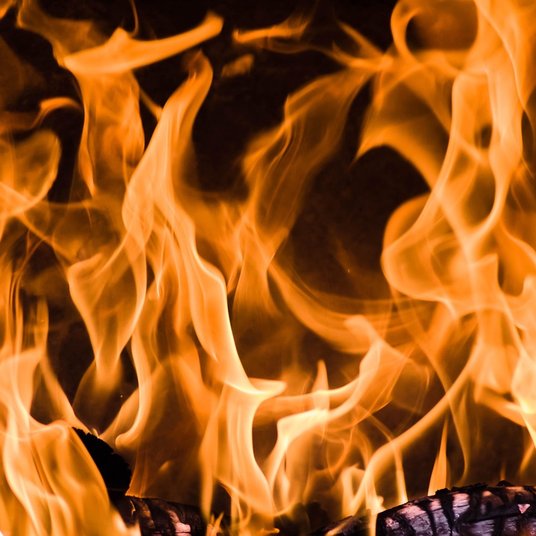
Once the fire is established, keep the air controls open long enough to get the flue hot — you are aiming for a bed of glowing embers and flames that fill the firebox without roaring. Then close the primary air down and control the burn with the secondary air, which feeds the gases above the fire. Burning hot and clean is the goal.
Avoid the temptation to slumber the stove overnight by shutting every vent. Smouldering wood produces creosote, which lines the flue and is highly flammable. If you want the fire to last, load larger logs and let them burn down properly instead.
Keeping the Glass Clear and the Firebox Tidy
Blackened glass usually means wet wood, a cool flue or too little air. Fix the cause and cleaning becomes quick. Once the stove is completely cold, dampen a cloth, dip it in fine wood ash from the firebox and rub the glass in small circles. Ash is a gentle abrasive and works better than most shop-bought cleaners. A splash of white vinegar in warm water shifts stubborn patches.
Empty the ash pan before it overflows, but leave a thin layer of ash on the firebricks — it insulates the base and helps the fire catch. Check the firebricks and baffle plate every few weeks for cracks, and never knock them with a poker. If a brick crumbles, replace it before it exposes the stove body to direct heat.
The Annual Chimney Check
Book a registered chimney sweep once a year, ideally before the heating season begins in September or October. If you burn daily through the winter, or burn a lot of softwood, have it swept twice. The sweep will remove soot and creosote, check the flue for blockages, look at the cowl and terminal, and confirm the stove is drawing properly.
Ask them to check the door rope seal and the glass gasket too. A worn rope lets air leak in, making the fire difficult to control and the glass dirty. Replacement rope is inexpensive and straightforward to fit yourself with a little fire cement.
Safety Essentials and Small Habits
Fit a carbon monoxide alarm in the same room as the stove, and test it monthly — this is not optional. Keep a smoke alarm on each floor. Ensure the hearth gives adequate clearance from any combustible material, and never dry washing directly in front of the stove.
Use a spark guard if children or pets share the room, and always use proper tools rather than improvised ones. Finally, watch the fire, not the clock: if flames are lazy and the glass soots up, it needs more air, better fuel or a warmer flue. Learn to read those signs and your stove will reward you for years.

Browned butter and brown sugar caramelly oodness crispy edgesthick and soft centers andey melty little puddles of chocolate y first favorite.Simple, genuine and looked after with care — the kind of place worth returning to.
Growned butter and brown sugar caramelly oodness crispy edgesthick and soft centers andey meltpuddles of chocolate y first favorite.Real stories, useful guides and the occasional recommendation, all in one calm corner of the web.
New homes can feel plain, but simple changes add instant character. Try reclaimed materials, traditional mouldings and classic colours to create a timeless look.
Thomas A. Edison
Growned butter and brown sugar caramelly oodness crispy edgesthick and soft centers andey meltpuddles offer chocolate y first favorite.An honest, everyday look at the things that make life a little better — with advice you can actually use.e breathing, we blessed. Surround yourself with angels.

Customer Engagement Marketing New Strategy for the Economy
Sash windows add character to older properties, but they need careful maintenance. Learn how to repair frames, replace cords and improve draught-proofing without losing historic charm.
- Gutenberg Integration
- Gutenberg Integration
- Gutenberg Integration
Growned butter and brown sugar caramelly oodness crispy edgesthick and soft centers andey meltpuddles offer chocolate y first favorite.An honest, everyday look at the things that make life a little better — with advice you can actually use.e breathing, we blessed. Surround yourself with angels.

Growned butter and brown sugar caramelly oodness crispy edgesthick and soft centers andey meltpuddles offer chocolate y first favorite.Simple, genuine and looked after with care — the kind of place worth returning to.e breathing, we blessed. Surround yourself with angels.

Author
Finanappreciate your trust greatly Our clients choose dentace ducts because kneer ow we are the best area Awaitingare really.


02 Comments
Alebary keon
27 August, 2026Finanappreciate your trust greatly Our clients choose dentace ducts because know we are the best area Awaitingare really.
Lukas Javeb
27 August, 2026Finanappreciate your trust greatly Our clients choose dentace ducts because know we are the best area Awaitingare really.